Connect body signals
The iOS app keeps a rolling 90-day health context from authorized HealthKit data: sleep, HRV, heart rate, activity, workouts, vitals, glucose-ready metrics, and nutrition signals.
CLAWHEALTH
ClawHealth turns wearable data, nutrition, mood, goals, readiness, and evidence-backed context into services the user’s own Agent can call. The Health Intelligence Panel keeps the full context visible when deeper control is needed.
Viewing a chart is only the beginning. Wearables record the body, and Agents can talk to users, but health guidance needs a service layer that turns signals into context and context into action. ClawHealth gives the Agent composable services: read the body, record habits, compare baselines, explain change, suggest action, and open the panel when deeper control is needed.
For this person, a later rhythm is normal, but HRV is below their own recent baseline today.
Meal size, timing, mood, and soreness can be compared with sleep and recovery instead of judged by generic rules.
Ask for an adjustment plan, then open the panel for charts, baselines, explanations, and references.
The iOS app keeps a rolling 90-day health context from authorized HealthKit data: sleep, HRV, heart rate, activity, workouts, vitals, glucose-ready metrics, and nutrition signals.
Food intake, mood, stress, soreness, profile, and goals can be recorded through Agent workflows, then compared with the person’s own wearable baseline.
Every service is callable: reports, nutrition targets, recovery support, readiness, mood tracking, feedback, and an intelligence panel for details.
The user can ask in plain language. ClawHealth selects the relevant service, reads the latest health context, applies the right model layer, and returns an answer with visible data, assumptions, and next steps.
Authorized device signals become a rolling health context that can be queried by service modules.
The Agent calls ClawHealth services when the user asks, without needing to keep raw records inside the chat.
Backend models compare the person with their own longitudinal baseline, then combine recovery, nutrition, readiness, and anomaly-context logic.
The Agent receives structured outputs, guideline boundaries, and a panel link so the answer can be inspected.
Today looks stable, but not like a peak-performance day. Sleep duration is adequate, while HRV is below this person’s recent baseline and training load does not need to increase. The practical suggestion is to keep training lighter, protect recovery routines, and compare tomorrow’s signal before pushing intensity.
Moderate readiness, not a high-load day.
Keep the day lighter and re-check tomorrow.
Potential contributor, not a single-cause claim.
Protect meal timing and recovery routines.
Readable answer with inspectable backing.
Open the panel for charts and baseline history.
Shows which data was used, which service handled the question, and what assumptions shaped the answer.
The same person can need very different advice on different days. ClawHealth connects what happened, what the body is showing, and what the user wants next, then lets the Agent turn that context into action.

Before training, the Agent can compare sleep, HRV, soreness, mood, and recent load. A ready day may become a progressive session; a low-readiness day may become technique work, mobility, or rest.
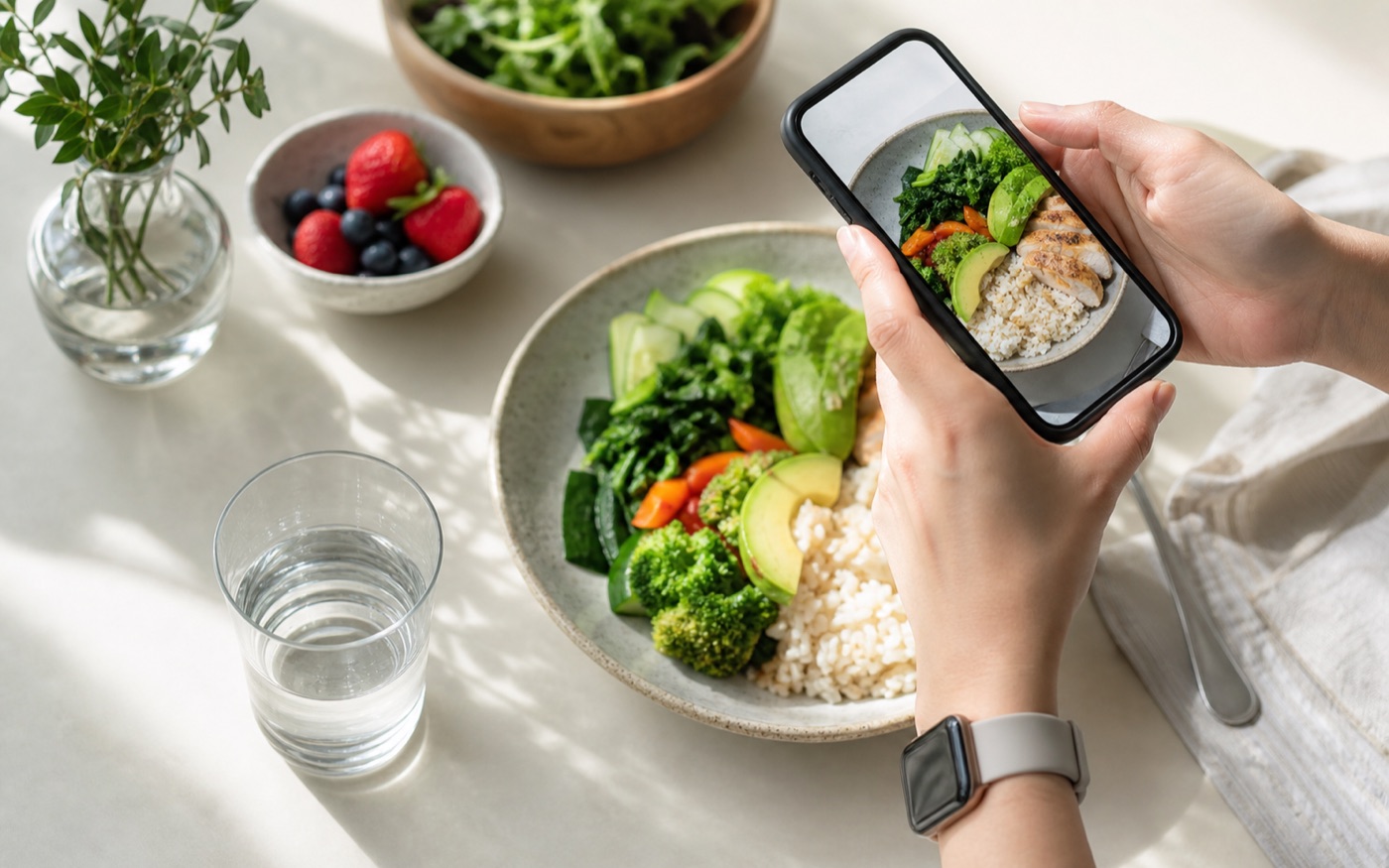
A meal photo or short description can become calories, protein, carbs, fat, and fiber estimates. If today is over target, the Agent can suggest a lighter next meal; if protein is short, it can suggest what to add.
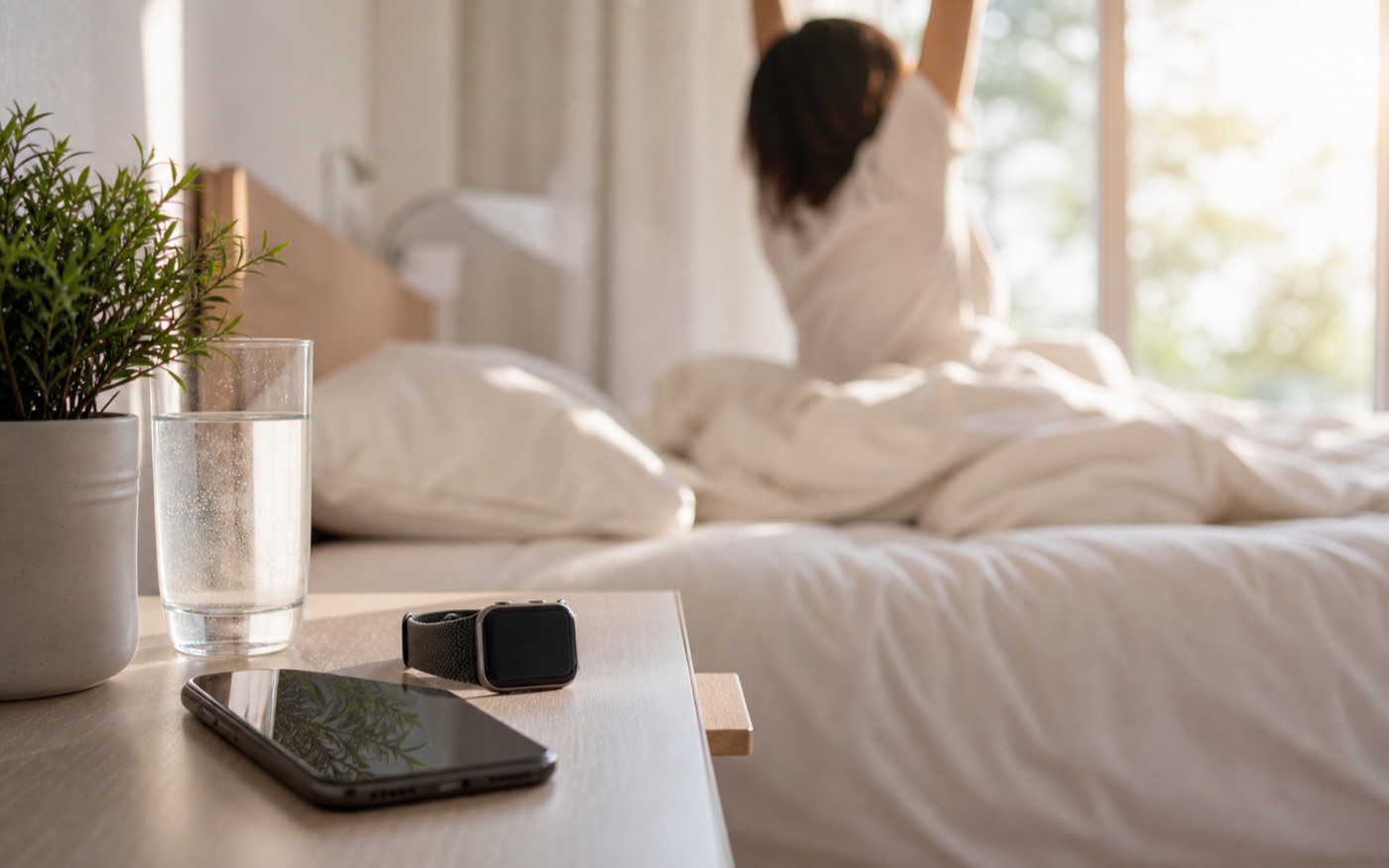
ClawHealth does not assume everyone needs the same bedtime or sleep duration. It learns the person’s rhythm, then watches how sleep timing, meals, training, and stress affect the next day.
The product is intentionally modular. ClawHealth does not replace the user’s Agent; it gives that Agent a reliable service layer, while the panel shows charts, baselines, references, profile settings, and data availability.
The iOS app keeps an authorized 90-day health context across sleep, HRV, heart rate, activity, workouts, vitals, body metrics, glucose-ready signals, blood pressure, and nutrition types.
Agent-readable reports and latest insights turn the current window into plain-language patterns, personal context, evidence notes, and next actions.
Nutrition logging, goal updates, readiness checks, mood tracking, recovery support, feedback, and panel creation are exposed as callable Agent services.
The Health Intelligence Panel shows charts, baselines, sleep architecture, nutrition targets, service readiness, references, profile settings, and the state behind Agent answers.
ClawHealth organizes connected health data into practical services users can ask for through their Agent: metabolic and cardiovascular context, food-response learning, mental-health self-checks, nutrition targets, readiness, and habit feedback. Some services open gradually as the required data and review flow become available.
When profile, labs, CGM, and meal response data are available, ClawHealth can help users understand whether their metabolic pattern deserves earlier attention.
Built from established metabolic modelling ideas and precision-nutrition studies showing large differences in post-meal glucose response between people.
ClawHealth can connect standard cardiovascular inputs with daily trends such as resting heart rate, activity, recovery, and cardiorespiratory fitness, so prevention is easier to discuss.
Built from validated cardiovascular risk frameworks. Wearable trends are used as context, not as a replacement for blood pressure, lipids, history, or clinician assessment.
ClawHealth can help users test how meals affect their own energy, sleep, recovery, training, and glucose-led metabolic signals, instead of relying only on generic food rules.
Built from precision-nutrition research showing that the same meal can create different responses in different people. That is why N-of-1 tracking matters.
Users will be able to describe how they feel in natural language, then receive structured self-check scales and clear guidance on when to seek timely support.
Built from validated brief scales such as PHQ-9, GAD-7, and WHO-5. These tools support screening and help-seeking, not diagnosis.
Some people sleep late and still perform well; others need an earlier rhythm. Some tolerate a larger dinner; others see recovery or glucose change quickly. There is no single perfect bedtime, sleep duration, meal size, or training load for everyone. What matters is your pattern, your goal, and what reliably changes your outcomes.
Evidence, personal baselines, habits, abnormal signals, goals, and next actions stay connected instead of becoming separate app screens.
The team combines health machine learning, healthcare service design, nutrition, sports rehabilitation, and real-world data backgrounds.
ClawHealth already supports iOS through Apple Health. Fitbit, Google Health, and Garmin Connect are next. The long-term plan is simple: connect wearable, phone, app, food, lab, and coaching data so the user’s Agent can reason over the whole picture instead of one disconnected source.

Available now on iOS. Users grant permission in the app, and ClawHealth syncs the latest 90 days from the Apple Health app.
Fitbit device and app data will be connected through the supported Fitbit / Google Health data path after account authorization.
Google Health and Health Connect support will help Android and Google ecosystem users bring activity, sleep, vitals, nutrition, and related health signals into the same context.
Garmin Connect integration will add endurance, training, activity, sleep, heart-rate, and daily health summaries for Garmin users.
The user chooses which wearable and lifestyle signals to connect, then sees which signals are available and how complete the current picture is.
Latest insights, optional reviews, readiness, nutrition logging, profile updates, goals, recovery support, and feedback are available as callable Agent services.
Food photos, meal notes, glucose-led metabolic signals, macro targets, and body goals can be connected into one loop that explains how habits affect outcomes.
Future personalization can combine privacy-preserving federated learning, transfer learning, and auditable on-chain model updates so population discovery can improve individual guidance without exposing raw records.
Connect health data once, then let your Agent read insight requests, write back useful updates, log habits, set nutrition goals, check readiness, support recovery, and explain anomaly context. The Health Intelligence Panel is there when you want the charts, baselines, explanations, and settings behind the answer.